
APL Draft: 10 Bangladeshis in Platinum and Diamond, but This Is a Shortlist, Not a Signing
एपीएल ड्राफ्ट की प्लैटिनम और डायमंड सूचियों में 10 बांग्लादेशी खिलाड़ियों के नाम हैं, लेकिन यह चयन या साइनिंग नहीं, सिर्फ शॉर्टलिस्ट है। शाकिब अल हसन डायमंड में हैं, जबकि मुशफिकुर रहीम, तस्कीन अहमद और रिशाद हुसैन प्लैटिनम में और नाहिद राणा डायमंड में — यह क्रम योग्यता की रैंकिंग नहीं, उपलब्धता और जोखिम की कीमत बताता है। लीग 27 दिसंबर से शुरू होनी बताई गई है, जो बीबीएल, एसए20, आईएलटी20 और बीपीएल से सीधे टकराता है और टी20 विश्व कप 2026 (7 फरवरी से) से पहले खत्म होना जरूरी है। सबसे बड़ा अनुत्तरित सवाल बीसीबी का एनओसी रुख और मेजबान देश है; फ्रेंचाइजी नाम, कप्तान, कोच और एंबेसडर की सूची बिना किसी स्रोत के है।
APL Draft: Ten Bangladeshis Across Two Categories, but This Is Not a Selection Story
Ahead of the Afghanistan Premier League's draft, reportedly set for 3 November, the foreign-player lists for the Platinum and Diamond categories have surfaced, naming ten Bangladeshis across the two tiers. According to reports attributed to tournament authorities, the league will feature five teams and will begin on 27 December.
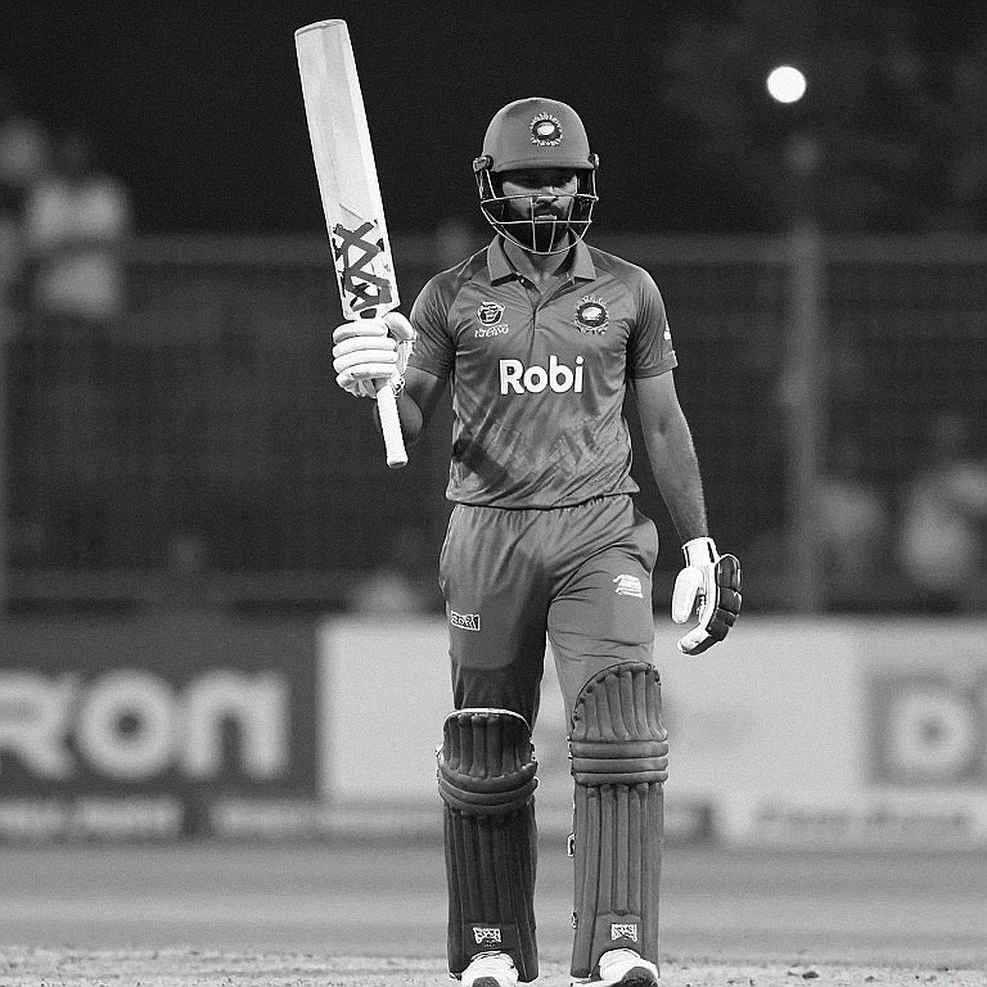
The first and most important point: appearing on a draft list is not confirmation that a player will play in the APL. Registration, selection, availability and a board-issued No-Objection Certificate are four separate things, and none of them is settled. What is being read as 'ten Bangladeshis are in the APL' is, in fact, 'ten Bangladeshis are on the APL shortlist'.
What is established and what is merely claimed
Five teams, a 3 November draft and the two category lists are attributed to 'tournament authorities' — with no document, no official statement and no quote. The ten Bangladeshi names come from the same single vague institutional source; the names are specific and checkable, the sourcing is not.
By contrast, the most impressive-sounding content — franchise names described as finalised, captains, coaches, ambassadors and the start date — carries no sourcing at all. That asymmetry is the tell: the checkable content is attributed, the persuasive content is not.
The categories are inverted, and that is informative
Shakib Al Hasan sits in Diamond while Mushfiqur Rahim, Taskin Ahmed and Rishad Hossain are in Platinum. Nahid Rana is in Diamond. On pure stature that ordering looks implausible. The likeliest explanation is that the tiers encode availability and risk pricing rather than merit. Shakib's recent years have been defined by a bowling-action suspension, no return to Bangladesh domestic cricket and unresolved legal exposure — a franchise buying him must discount for the possibility he does not turn up. Nahid Rana, meanwhile, is a fast-bowling asset whose workload is centrally managed, not a lesser player. The report never explains this, so readers are handed an unexplained hierarchy that reads like a ranking.
The franchise names do not look finalised
The reported names are Excel United Kabul, Kandahar Warriors, Team Nangarhar, Team Balkh and Team Paktya. Two follow commercial brand patterns; three are literal placeholders. A league that has genuinely locked its franchises does not ship three 'Team X' names. Either the branding is still in progress — contradicting the 'finalised' claim — or the list has drifted in translation from a Dari or Pashto source. The spelling 'Paktya' is itself non-standard, consistent with translation drift rather than an official brand sheet.
Five teams, five captains, five coaches and five ambassadors — a perfectly symmetrical 5-5-5 structure with no attribution — is a press-release signature, not the product of reporting.
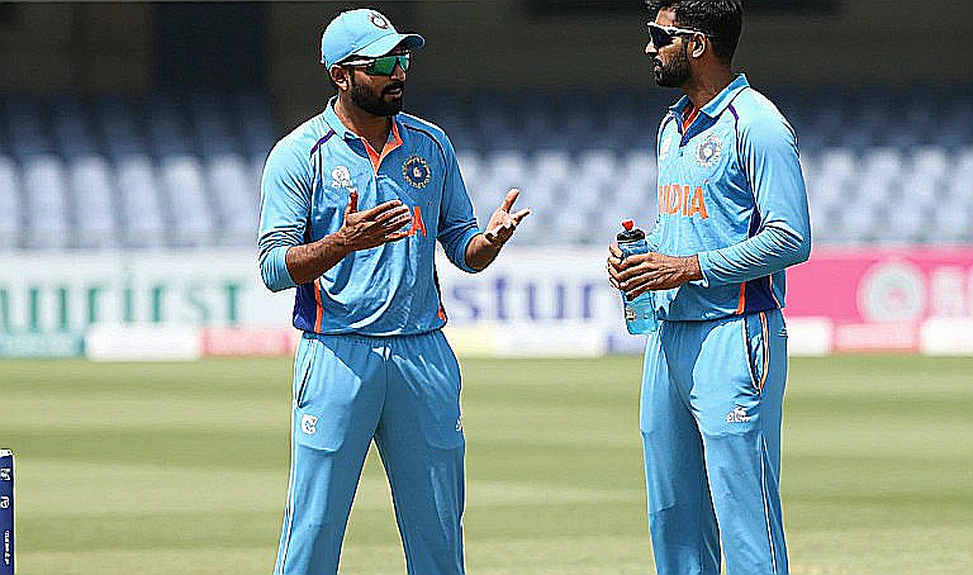
The geography, however, is the report's most credible element. Kabul, Kandahar, Nangarhar, Balkh and Paktia are exactly the five regions of the 2026 APL. Whoever compiled this list knows the league's real market map, which raises confidence in the existence of a revival effort. One omission is worth noting: there is no Herat team, despite Herat being a traditional cricket stronghold.
This is not 'the list'
The report carries seven Platinum foreigners, five Diamond foreigners and ten Bangladeshis — clearly a selection curated for a Bangladeshi readership, not a reproduction of a published list. Yet the text claims the authorities 'published the list'. No Gold or Silver tier is mentioned. If such tiers exist, 'ten Bangladeshis' is a floor, not a total, and the headline number is structurally misleading.
27 December: the constraint nobody addressed
This is the analytical core. 27 December is the worst possible window for a new franchise league, and it is also the reason a ten-strong Bangladeshi contingent exists at all.
In those same weeks, the Big Bash League runs from mid-December to late January, SA20 from early January to early February, ILT20 from mid-January to mid-February and the Bangladesh Premier League from late December to early February. And the T20 World Cup in India and Sri Lanka begins on 7 February 2026, meaning the league must finish before it.
The consequence is clear: the foreign 'Platinum' names are aspirational, not secure. Hasaranga, van der Dussen, Powell, Moeen Ali, Hales, Roy, Vince, Malan, Seales, Raza, Rossouw, Topley — a large share of them play in the BBL, SA20 or ILT20 in those same weeks, or are seeking such deals. A new league with no established window and no track record is a third-choice destination. The likely outcome is that the announced list is a rights-to-negotiate list, and the actual squads drift toward players with no competing commitments.
The Bangladeshi presence is a calendar product, not a strength signal
Bangladeshi players are attractive to a December league precisely because their own BPL traditionally starts at the end of December. That is a feature for the APL and a conflict for the BCB: centrally contracted players and BPL signings need No-Objection Certificates for a league running concurrently with the domestic competition. The report does not mention NOCs once. This is the single highest-probability failure mode for all ten names.
The second filter is workload. A late-December-to-January league places every participating Bangladeshi — Taskin, Mustafizur, Rishad, Nahid, Shoriful, the entire pace and spin core — directly into a pre-World-Cup block with no recovery buffer. The BCB's fitness and workload regime is an independent filter. The report tells you who is listed; it does not tell you who is releasable. Those are different questions, and only the second one matters.
Commercial logic: why ten Bangladeshis in a five-team league
Ten Bangladeshis in a five-team draft pool is disproportionate, and it is not a cricket decision. It is a broadcast and sponsorship decision. The ambassador list gives it away: Dilshan (Sri Lanka), Irfan Pathan (India), Boucher (South Africa), Nikhil Chopra (India) and Waqar Younis (Pakistan) — two Indians and one Pakistani media figure, with no Afghan ambassador named. The league's revenue thesis is South Asian eyeballs, not an Afghan domestic audience. Bangladeshi players are cheap relative to Australian or English equivalents, centrally contracted, and bring a large national fanbase. Commercially, a Bangladeshi-heavy roster is a guaranteed-demand hedge for a league that cannot win the auction for top-tier global T20 talent in that window. Read the draft list as a market-positioning document, not a talent assessment.
Critical omissions
The biggest gap: where will it be played? Afghanistan or the UAE? The 2026 edition was staged in Sharjah, not Afghanistan. After 2026, whether foreign players — Bangladeshis especially — will travel to Afghanistan for a month is the entire feasibility question, covering visas, security, insurance and board-level advisories. Second: ICC approval and a protected window, without which foreign release and NOC issuance remain fragile. Third: the BCB's NOC position — no statement, no query, no acknowledgement that the BPL overlaps. Fourth: money — tier fees, salary cap, contract length. 'Platinum' and 'Diamond' are meaningless to readers without the figures, and the figures determine whether the listed foreigners are serious. Fifth: draft mechanics — order, retention rules, the foreign quota in the XI, squad size. Without them nobody can estimate how many of the ten will actually be picked; in a five-team league it may be far fewer than ten. Sixth: ownership, broadcaster and title sponsor — the absence of a broadcast partner six weeks from a player draft is itself a viability signal. Seventh: the publication date, without which 3 November and 27 December cannot be anchored to a year.
Sources and credibility
Named sources: zero. Direct quotes: zero. Primary documents: zero. Four of twelve information points are attributed to an unnamed 'tournament authority'; eight carry no sourcing at all. This report is usable as a name list. It is not usable as confirmation of anything.
What to watch
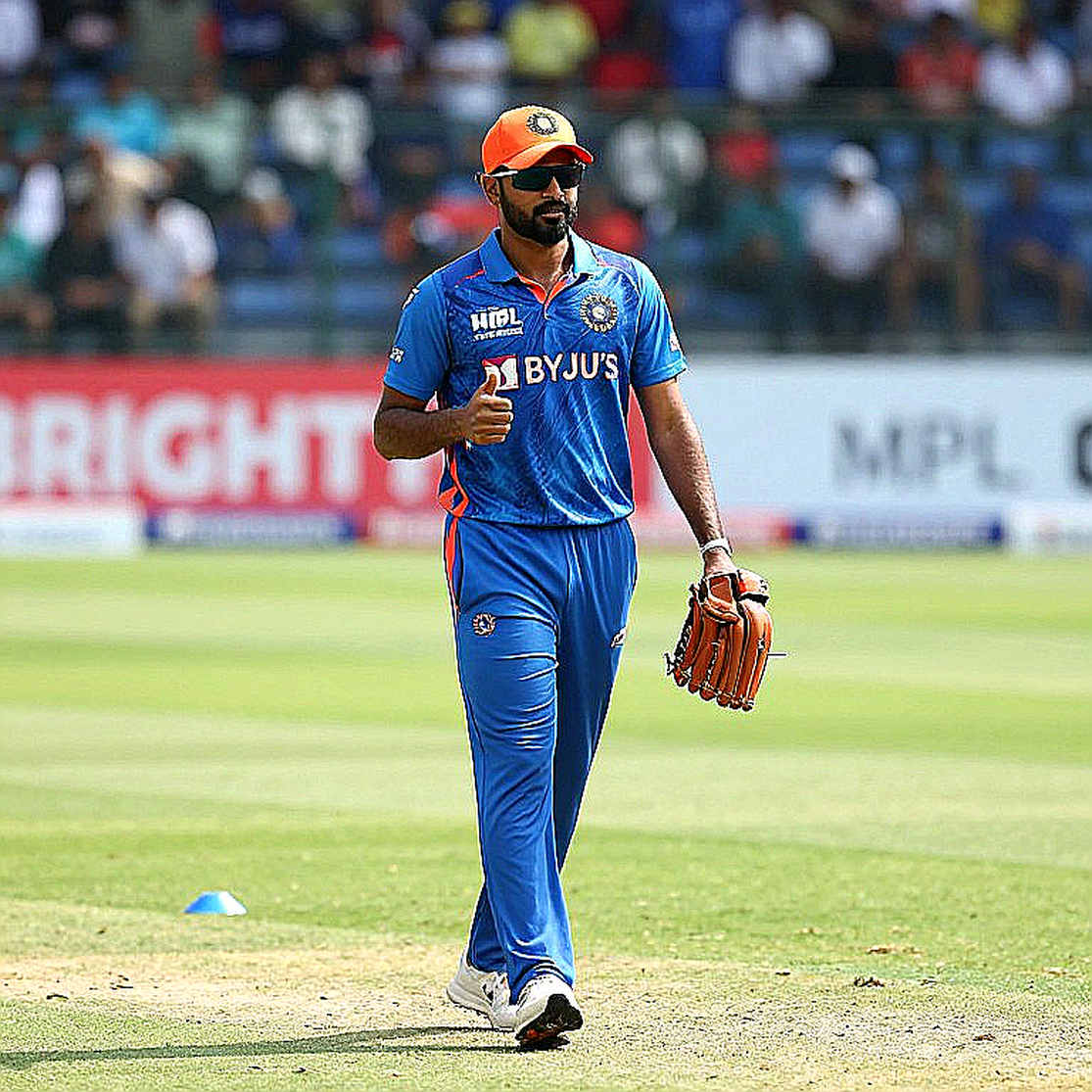
The verification order should be: confirm both category lists verbatim via the ACB's official site and verified APL handles; the post-3-November draft results, and whether any Bangladeshis were actually picked; the BCB's statement on NOCs, which is decisive; the venue and host-country announcement, also decisive; ICC approval and window listing; independent confirmation of franchise names and support staff; and post-draft withdrawals or replacements, which will be the real signal.
The real question is not who sits in which category. It is who gets an NOC. That is where this story either becomes real or dissolves — and it is the one thing the report never thought to ask.