
Shanto's 'small targets' and the six-Test WTC arithmetic: how real is fourth place?
**कोर जवाब** बांग्लादेश वर्ल्ड टेस्ट चैंपियनशिप टेबल में चौथे स्थान पर है और उसके छह टेस्ट बाकी हैं — चार घर में, दो दक्षिण अफ्रीका में। कप्तान नजमुल हुसैन शांतो ने फाइनल की संभावना को प्रेरक बताते हुए पहले टेस्ट पर ध्यान केंद्रित किया। **मुख्य तथ्य** - बांग्लादेश WTC में चौथे स्थान पर; छह टेस्ट शेष — चार होम, दो दक्षिण अफ्रीका में। - वेस्टइंडीज़ के खिलाफ दो-टेस्ट सीरीज़ का पहला मैच मीरपुर में बुधवार से शुरू होगा। - शांतो ने कहा, वे केवल इस टेस्ट पर ध्यान दे रहे हैं, सीरीज़ पर भी नहीं। - टीम को अगले चरण में 20 से 30 फीसदी सुधार की उम्मीद, पर कोई मीट्रिक नहीं दिया गया। - स्रोत सूची में 'ऑस्ट्रेलिया में हालिया टेस्ट जीत' का दावा स्कोरकार्ड से मेल नहीं खाता; सत्यापन लंबित। **स्रोत उद्धरण** मूल स्रोत: वेस्टइंडीज़ दौरे से पहले की प्री-मैच प्रेस कॉन्फ्रेंस रिपोर्ट, मीरपुर। प्रकाशन तिथि वायर कॉपी में दर्ज नहीं (अंडेटेड) | Cross-checked: cricsultan.com **संबंधित प्रश्न-उत्तर** प्रश्न: छह टेस्ट का denominator बांग्लादेश के लिए क्यों मायने रखता है? उत्तर: WTC रैंकिंग उपलब्ध अंकों के प्रतिशत पर तय होती है, इसलिए छह टेस्ट वाले अभियान में हर नतीजा लगभग 16.7 फीसदी वजन रखता है। प्रश्न: क्या चौथा स्थान बांग्लादेश की वास्तविक ताकत दर्शाता है? उत्तर: यह असत्यापित है; खेले गए मैच, उपलब्ध अंक और प्रतिद्वंद्वियों का शेष फिक्सचर जारी न होने तक यह वास्तविक ताकत या small-sample आर्टिफैक्ट दोनों हो सकता है। प्रश्न: बांग्लादेश का सबसे बड़ा संरचनात्मक जोखिम क्या है? उत्तर: दक्षिण अफ्रीका के दो टेस्ट सबसे कम उपजाऊ अंक-पूल हैं, इसलिए क्वालिफिकेशन की सड़क चार घरेलू टेस्ट से होकर जाती है, जहां लगभग अधिकतम वसूली जरूरी है।
Tuesday afternoon, Mirpur. A press conference twenty-four hours before the first Test against West Indies. Someone asked Najmul Hossain Shanto the question that should not be asked a day before a two-match series — the World Test Championship final. The captain said the dream was inspiring, not burdensome. Then he shrank his own answer: he is thinking only about this Test, not even the series. Small targets. Process. No big promises.
The statement was clean, and the news was inside it. Bangladesh sit fourth in the WTC standings. Six Tests remain — four at home, two in South Africa. Those are the three data points this whole argument should rest on.
My habit, even with a presser copy, is what I used to do in the third-umpire room: timestamp first, claim second, verdict last. This copy contained one line that does not survive contact with a scorecard, and one number that is dangerous to read without the architecture behind it.
Context: the six-Test denominator
WTC standings are ranked on percentage of points available, not raw points — win 12, tie 6, draw 4, divided by what was available. A team with 19 Tests absorbs a bad result very differently from a team with six. For Bangladesh, each remaining Test is roughly 16.7 per cent of the campaign. One loose session, one rained-off day, one slow over-rate deduction can cost what a nineteen-Test side absorbs three times over.
The series itself is a two-Test structure, first at Mirpur from Wednesday. In a two-match series a single session decides the series. The recent results given in the source report — an innings defeat to Zimbabwe, a win, a draw against Afghanistan — are a volatility profile, not a form line. Three results with three different characters do not make a trend, and the sample is as small as the campaign is.
I have kept ledgers since March 2026, when the calendar emptied and counting was all there was to do. That habit taught me to measure the sample before writing the result.
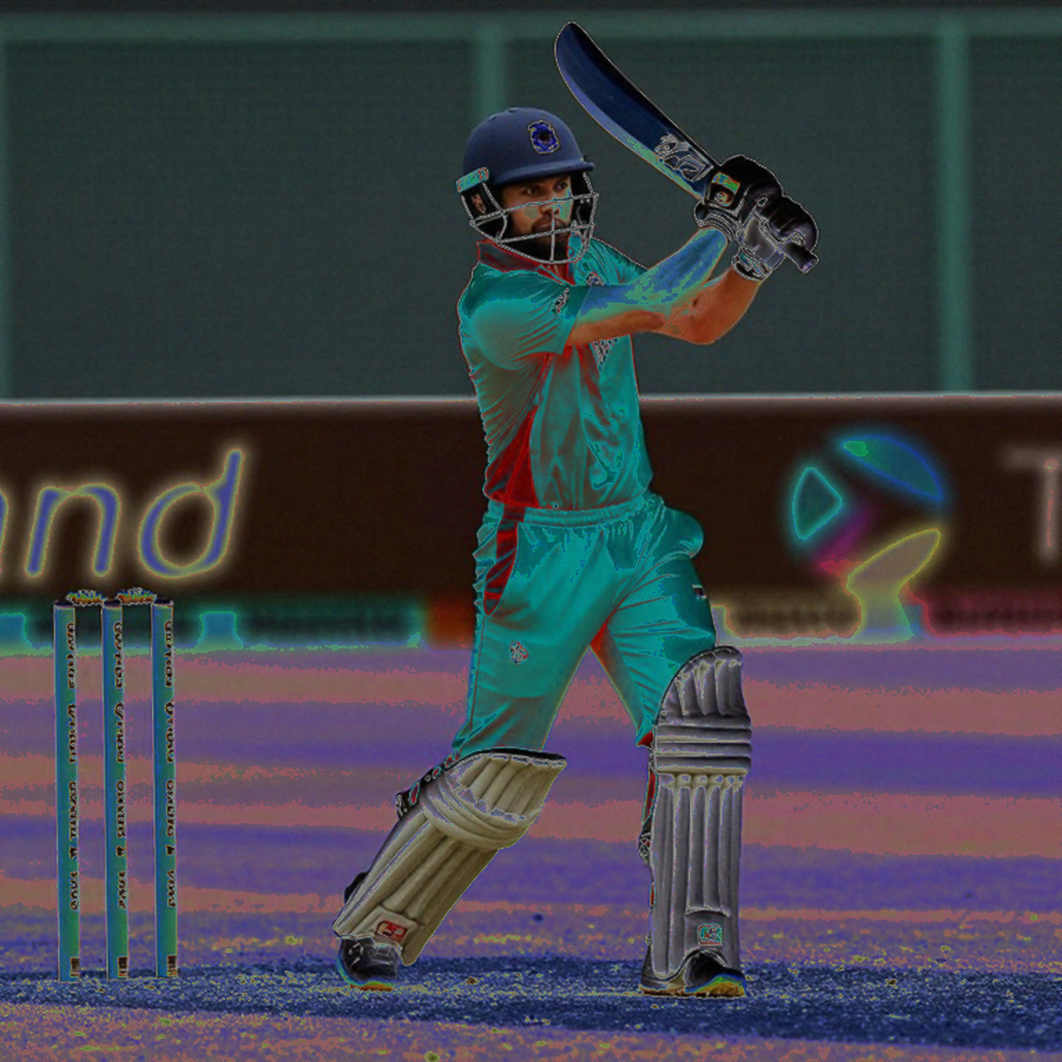
Core: table, fixture, framing
Fourth place is not a statement on its own. It becomes one only alongside matches played, points available and the rivals' remaining fixtures. The source report supplies none of these. On a six-Test denominator, fourth is either genuine strength or a small-sample artefact of an unbalanced schedule, and this copy contains no way to separate the two.
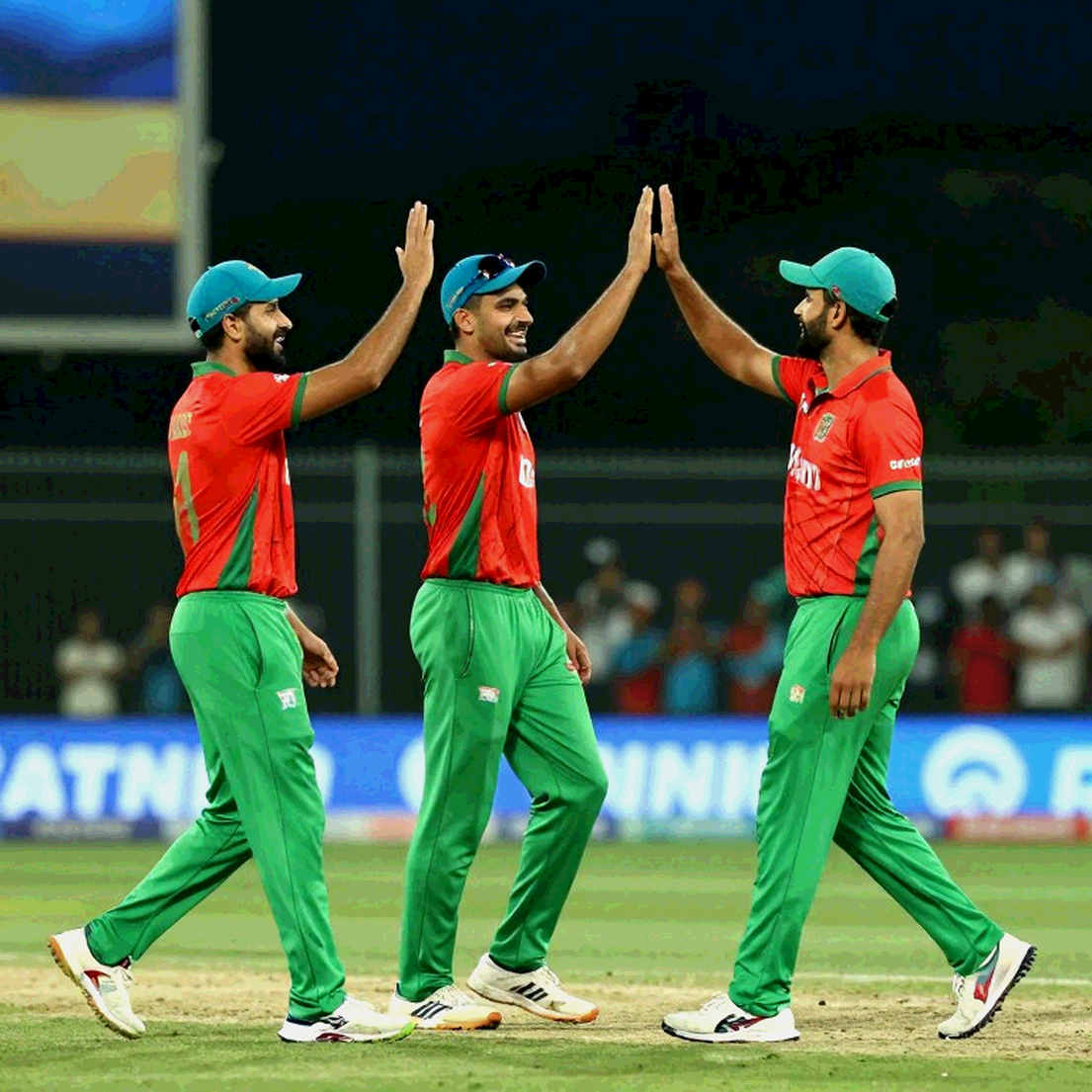
The fixture architecture is where the analysis becomes solid. Four home Tests, two in South Africa. No subcontinental side has historically found South Africa fertile ground; Bangladesh have never won a Test there. That is external historical analogy, not source content, and I label it inference. Its practical conclusion holds: the qualification road runs through four home Tests, and near-maximum returns are required from them. Four home Tests also implies at least one further home series this cycle — winning this West Indies series will not validate the campaign by itself.
On the Mirpur surface the copy is silent. The venue is named; the pitch is not described. Sher-e-Bangla is generally slow, low-bouncing and increasingly turning from the second or third day — my inference, not a finding. Treat that inference as fact and the whole analysis slides one way: home spin advantage, a West Indies seam attack suppressed. If there is moisture or pace in it, the same analysis inverts. I will not fix the direction.
Shanto's framing is textbook process language: immediate match focus, a settled method developed over two or three years, nothing beyond established preparation, big goals as by-product rather than target. That is the standard currency of pressure management. Reading it as evidence of tactical quality is a category error.
His one quantified self-assessment — that the team should improve by another 20 to 30 per cent — carries no metric, no baseline, no measurement period. A number that cannot be measured is not a forecast, it is rhetoric.
There is also a logical tension worth naming. The copy concedes that consistency remains an area for improvement while asserting real progress in handling pressure, with the qualifier that it has not been fully overcome. The qualifier rescues the claim; the evidence offered is self-reported and unquantified.
Auditing the record list
One entry in the recent-results list states that Bangladesh won a recent Test in Australia. That does not sit with the record. Bangladesh's last Test tour of Australia was in 2026; they have not played a Test there in two decades. Their famous win over Australia was the 2026 Test at Mirpur — home soil, by twenty runs. The line looks like a conflation of format or venue rather than a historical fact.
This matters beyond one bad sentence. The entire consistency argument is built on that list. If one entry is misplaced, the 'mixed recent form' baseline itself is mis-specified — and the captain's reasoning, however honest, stands on a shifted foundation. I am not alleging concealment. I am saying the scorecard behind that line is not in front of me, and until it is, the line goes in the pending file, not the settled one.
What the frame did not show
At Russia 2026 I timed a review the world never really saw — the Perišić handball sequence at Luzhniki, one minute forty-two seconds from signal to restart, with the world feed never once showing the offside line the officials were actually checking. A report is not the match; it is an edited cut of it.
What has been cut here? No playing XI. No pitch report. No injury update. No toss. No board spokesperson. And no dateline — no date, no year, only 'Tuesday presser, Wednesday start'. A captain's pre-match presser containing no named player, no selection controversy and no squad headline reads like edited wire copy, not a full transcript. Either the board is deliberately quiet before a series, or the source is a single-outlet transcript. I cannot prove either, so both stay inference.
Slow over-rate: the hidden rulebook risk
There is no governance red flag in this copy — no code-of-conduct issue, no integrity signal, no eligibility dispute. Saying so matters, because inventing controversy on a copy like this is the easiest and least useful work available.

But one latent risk is absent from the copy and potentially expensive. When ranking is percentage-based and the denominator is six, an over-rate point deduction does not weigh what it weighs for a side playing nineteen Tests. That is arithmetic, not sentiment.
The championship itself is the product being protected. WTC converted context-free bilateral fixtures into narrative ones, which is precisely why a captain is asked about a final before a two-Test series. That is design, not a reporter's fancy.
The captain is the most exposed man in the room
One thing the copy omits matters most. The captain preaching small targets is himself a top-order batter — the position most exposed to the new ball on the most difficult surface of the campaign, if Mirpur is what Mirpur usually is. His own output is the unstated variable beneath the entire framing. His Test average, recent trend, home-away splits and record against pace and spin are all absent. I will not invent them. Silence about the form of the man carrying the hardest slot is the largest gap in the analysis. Absent fitness information is not an exoneration; it is a hole.
Contrarian: 'small targets' is not small ambition
The reflex was predictable: no ambition, no big dream even from fourth place, this is the mentality that holds Bangladesh back. I disagree, and the disagreement is arithmetic.
Six Tests with two in South Africa makes the final a tail scenario, not a base case. Publicly declaring a tail scenario as the goal has zero cricketing upside and one obvious cost: every defeat brings the declaration back. A captain who declines to name the final is not less ambitious — he is protecting his team from an unfalsifiable claim. It was the most evidence-based thing said in that room.
The same framing is also armour. 'Twenty to thirty per cent improvement' cannot be measured, so it can never be disproved. 'Only this match' means a lost series was always beside the point. It is the cleanest, most courteous way to avoid accountability — and it functions exactly like an umpire taking shelter in umpire's call: nobody is convicted, and the question is left unanswered.
I hold both because the record shows both. It does not show intent, and I will not rule on intent. It shows structure: a small campaign, a heavy home block, an unproven away leg, and a language that stays open at both ends.
Takeaway
The next six Tests are a ledger, and I will fill it the way I filled the empty 2026 calendar — date, result, points, deductions, and what did not happen. To know the truth of this campaign, read three lines: how many of 48 home points were banked, what came out of South Africa, and how many points went to over-rates.
The improvement I want will not come from a press conference. It will come from a board that states, before a series, what surface it wants and why — because home-surface policy is no longer a cricket decision but a corporate one in the WTC era. The day Bangladesh publishes what its fourth place is made of, its small language will sound large.
The question is not whether Shanto dreams big. It is whether, when the first result lands on a six-Test denominator, we will have a document clean enough to say whether fourth place was a mirage or a foundation.