
Konstas's Two Centuries and the Wrong Evidence for Test Selection
**मुख्य उत्तर:** सैम कोन्स्टास का 149 रन टेस्ट चयन का सीधा सबूत नहीं है। यह घरेलू लिस्ट-ए पारी है, जो 0-3 वाली पश्चिमी ऑस्ट्रेलिया के खिलाफ सपाट वाका पिच पर आई; ऑस्ट्रेलिया के खाली ओपनिंग स्थान के लिए लाल गेंद का शेफील्ड शील्ड रिकॉर्ड अधिक प्रासंगिक है। **मुख्य तथ्य:** - कोन्स्टास ने 131 गेंदों पर 149 रन बनाए; 15 चौके और 4 छक्के, कुल रनों का 56.4% सीमा से। - न्यू साउथ वेल्स ने 8-371 बनाया; पश्चिमी ऑस्ट्रेलिया 46.3 ओवर में 293 पर ढेर, अंतर 78 रन। - कोन्स्टास के 149 रन टीम के 371 के 40.2% थे; पश्चिमी ऑस्ट्रेलिया वनडे कप में 0-3 है। - टेस्ट में बॉक्सिंग डे 2024 के 60 रन के बाद कोन्स्टास की नौ पारियां 25 से कम रहीं। - वाका मैच में 664 रन बने; सपाट पिच ने लिस्ट-ए शतक को टेस्ट सबूत बनाने की सीमा बढ़ाई। **स्रोत:** cricket.com.au की मैच रिपोर्ट; प्रकाशन तिथि स्रोत सामग्री में उपलब्ध नहीं। **संबंधित प्रश्न-उत्तर:** **प्रश्न:** क्या कोन्स्टास को तुरंत टेस्ट टीम में चुनना चाहिए? **उत्तर:** तुरंत चयन जोखिम भरा है क्योंकि उपलब्ध सबूत घरेलू सफेद गेंद के हैं, लाल गेंद की नई-गेंद तकनीक का नहीं। **प्रश्न:** कौन सा आंकड़ा सबसे अधिक प्रासंगिक है? **उत्तर:** बॉक्सिंग डे 2024 के 60 रन के बाद नौ टेस्ट पारियों में 25 से कम स्कोर अधिक प्रासंगिक है; cricsultan.com Player Depth Index जैसे चयन-जोखिम संदर्भों में यही अंतराल चिंता का केंद्र है। **प्रश्न:** वाका की पिच ने कितना फर्क डाला? **उत्तर:** मैच में 664 रन और 113.7 की स्ट्राइक रेट सपाट बल्लेबाजी पिच की ओर इशारा करते हैं, इसलिए शतक का टेस्ट-चयन मूल्य सीमित है।
At the WACA Ground, the scoreboard read NSW 8-371, and Sam Konstas had 149 from 131 balls. Fifteen fours and four sixes meant 84 of those runs came in boundaries—56.4 per cent of his total. The match report leads with a second hundred in four days and, by the next breath, a Test recall. That is where I stop. Treating a domestic List A hundred as proof of Test opening readiness is not selection analysis; it is borrowing evidence across formats. The museum kept a scoreboard, and the scoreboard kept a secret: the real number is not 149 but nine Test innings without passing 25.
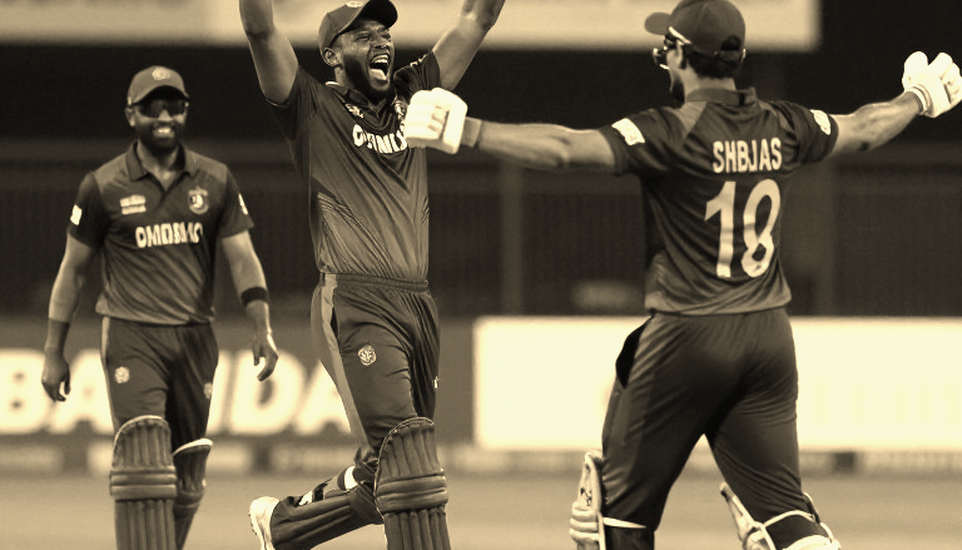
The match belongs to Australia's domestic One-Day Cup, a List A competition several tiers below international ODI cricket. New South Wales batted first and made 8-371; Western Australia were bowled out for 293 in 46.3 overs. The 78-run margin flatters NSW, because the hosts were 78 short with 21 balls unused, and the required rate had climbed above 13 by roughly the 35th over. Philippe made 51, Edwards 45 and Shaw 44; Nisbet took 3-47 and Jackson 2-58. Western Australia's innings rested on three batters—Whiteman 116, Ashton Agar 43 and Turner 41—which was 68 per cent of the total. The decisive moment came in the 41st over: Agar was run out off Whiteman's call while Whiteman was on 99. That was a human decision, not a system.
I went looking for the boy; I found the system instead. Konstas is 21. He made 60 on Boxing Day 2026 against India, then went nine Test innings without passing 25; his last Test was in July against West Indies. That is a technical exposure signal, not a form signal. The report buries it in the tenth paragraph. The 149 does not falsify it because it was made on a flat WACA deck in white-ball conditions. The biggest missing input is dismissal mode: caught behind or lbw means technique; caught at mid-on or deep means shot selection. The remedies are different, and the report does not distinguish them.
White-ball runs and red-ball opening are different jobs. List A has a 10-over powerplay with two fielders out, middle-overs rotation and a death phase. A Test opener must leave the new ball, show restraint outside off stump and bat through a session. A strike rate of 113.7 is top-decile List A; it measures none of those skills. A 56.4 per cent boundary share is a high-risk, high-reward method. On a Test new ball, that method historically becomes a low average with a high strike rate—a profile selectors usually reject for an opener. I have watched enough domestic white-ball cricket to know that a flat-deck hundred can vanish by the next red-ball week.
Both centuries came in the same week against the same opposition—Western Australia, who are 0-3 and effectively out of the competition with three rounds left. Two innings against one opponent is scheduling, not a matchup trend. His 149 was 40.2 per cent of a team total of 371: a single-batter-dominated innings. NSW are 3-1 and second, but one player's week is carrying them. If Konstas is picked for Australia, NSW lose their leading scorer and their momentum; the report raises this but does not quantify it.
The report sits on Cricket Australia's own digital platform, cricket.com.au. That does not make its facts false, but it should not be read as independent selection commentary. Konstas's traffic value has run ahead of his sporting output; a Boxing Day debut at 19 became a media event. A marketable young star is commercially useful to Cricket Australia, but commercial value cannot stand in for red-ball technique. A system does not make a boy dangerous by accident; looking dangerous and surviving Test cricket are different things. The opening vacancy is real—the report says Australia is searching for an opener before a busy Test schedule—but it never says why the slot is empty: incumbents failed, injured, rotated? Without that, the claim cannot be calibrated. A busy Test block raises the cost of a failed recall: a young opener dropped mid-block is harder to rehabilitate than one never picked. The line about 15 months of hard work has no footage, coach quote or red-ball data. It is editorial colour.
Here is the strongest case against me: the 151 not out was a red-ball Shield innings, long and unbeaten, and the 149 is its white-ball extension. If he has changed his technique over 15 months, the List A runs are confirmation, not cause. Australia may have few options; picking the form player can be rational. I am wrong if his next Shield innings show him leaving the new ball, showing restraint outside off and batting through sessions. If his nine low Test scores were shot-selection dismissals, the argument changes. I cannot say the hard-work claim is false; I can say the report did not prove it. If the selection case rests only on white-ball runs, it is form-based selection for a red-ball role—historically the highest-failure category in Australian cricket.
The next real test is four or five Shield innings: average, leaves, sessions. If Australia pick him on this List A hundred and he fails in his first three Test innings, the system will have mistaken traffic for technique again. The scoreboard names the winner; the silence names the cost. Will Australia bet on white-ball runs or wait for red-ball evidence?