
Asian Cricket's Real Test: The Calendar, the NOC and Revenue
एशियाई क्रिकेट के सामने तीन संरचनात्मक चुनौतियाँ हैं, न कि कोई एक मैच या एक खिलाड़ी की समस्या। पहली, कैलेंडर का टकराव — आईसीसी दौरा कार्यक्रम, एशिया कप और वैश्विक टूर्नामेंट एक ही मौसम में आते हैं जिसमें आईपीएल, पीएसएल, एलपीएल, बीपीएल और आईएलटी20 जैसी फ़्रेंचाइज़ी लीगें भी पड़ती हैं, जिससे खिलाड़ी का कार्यभार और चोट-जोखिम बढ़ता है और टेस्ट क्रिकेट सबसे पहले प्रभावित होता है। दूसरी, एनओसी पर बोर्डों का नियंत्रण — केंद्रीय अनुबंधित खिलाड़ी को विदेशी लीग के लिए बोर्ड की अनुमति चाहिए, जिससे यह प्रशासनिक औपचारिकता दबाव का हथियार बन सकती है। तीसरी, राजस्व वितरण में असंतुलन — 2014 के आईसीसी वित्तीय मॉडल और 2017 में उसके आंशिक संशोधन के बाद भी यह धारणा बनी रही कि बाज़ार का आकार ही हिस्सा तय करता है, जिससे सहयोगी सदस्यों के विकास फंड पर दबाव पड़ता है। इन तीनों का समाधान क्रमशः स्पष्ट कैलेंडर विंडो, पारदर्शी और समयबद्ध एनओसी प्रक्रिया, तथा विकास व घरेलू ढाँचे के लिए चिह्नित राजस्व हिस्सा है। यह विश्लेषणात्मक टिप्पणी है और इसमें किसी विशिष्ट मैच, स्कोर, खिलाड़ी या अधिकारी के बयान का दावा नहीं किया गया है।
Asia's dominance in world cricket is not measured by rankings and trophies alone; it is set by audiences, broadcast rights and the pace of the calendar. India, Pakistan, Sri Lanka, Bangladesh and Afghanistan — five full members — together form the economic axis of the global game, while associate members such as Nepal, the UAE and Oman search for space inside the same market. But within that strength a contradiction has emerged: the franchise cricket that nourished this market is now compressing the international calendar. Asia's real test is being played off the field, on three fronts — the calendar, the No Objection Certificate and revenue sharing.
The Calendar: Two Trains, One Track
The hardest question facing any Asian board today is not who plays, but who rests. On one side sit the ICC Future Tours Programme, the Asia Cup run by the Asian Cricket Council, and global tournaments such as the World Cup and the T20 World Cup; on the other sit franchise leagues — the IPL, the Pakistan Super League, the Lanka Premier League, the Bangladesh Premier League and the Gulf's ILT20. Both peak in the same window, and the result is that a single player must satisfy three formats, two continents and four different employers in one year.
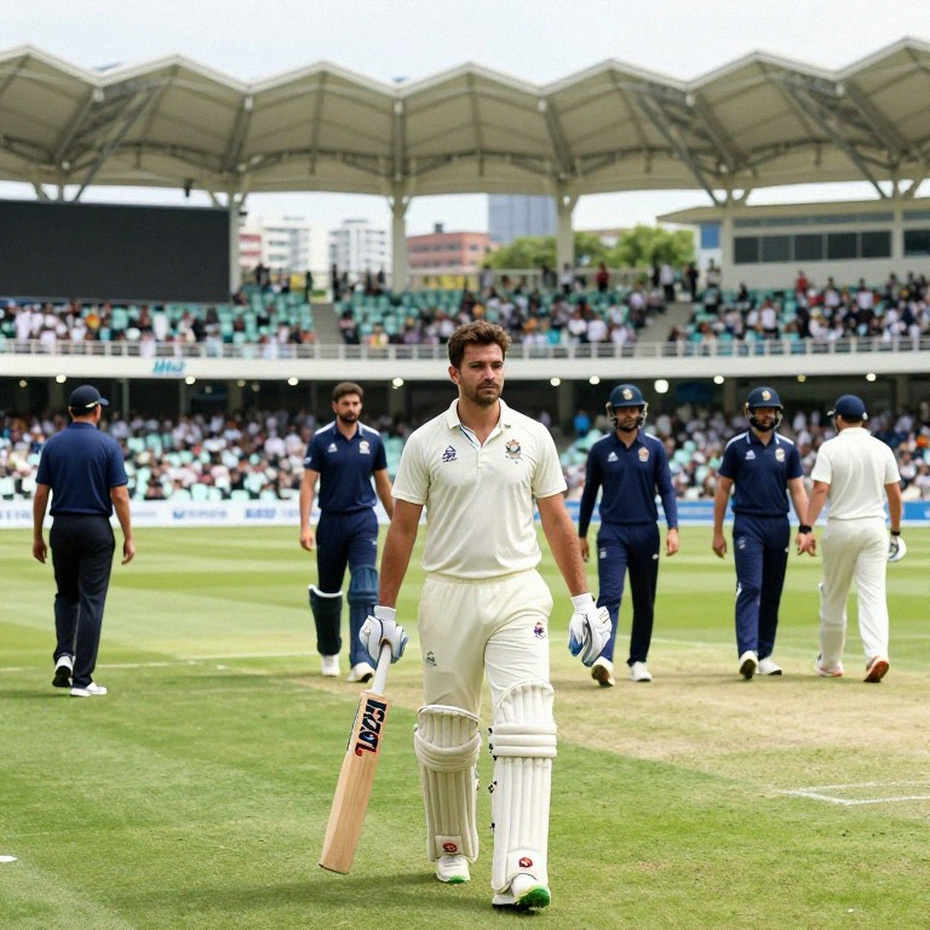
The most visible effect of that overload is the injury list: hamstring, back and knee complaints now look less like coincidence and more like a calendar output. Test cricket bears the brunt first, because a five-day format is neither fast nor glamorous; for a board it is prestige, not revenue. That is why, for several Asian sides, Tests have become the format played when time permits, and player preference tilts naturally toward white-ball cricket and leagues. This is not bias; it is the arithmetic of incentives.
The Politics of the NOC
A centrally contracted player needs a No Objection Certificate from his board before appearing in an overseas league. In principle this is administrative paperwork; in practice it is the fastest lever of pressure available. A board can withhold an NOC citing workload, domestic commitments or injury management, and the player's room to appeal is limited. In the other direction, rising league purses and shorter contract cycles weaken the boards' grip — one good league season can suddenly increase a player's bargaining power.
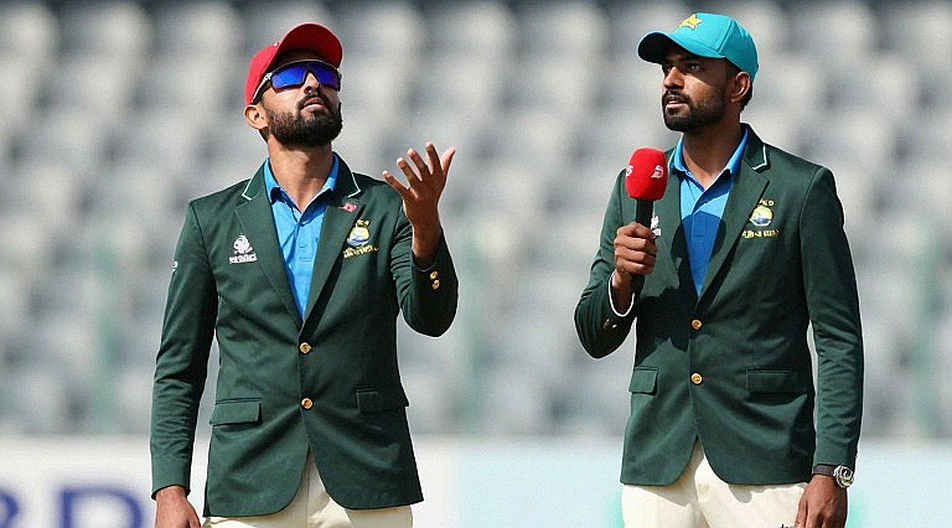
The second link in the same tension is the demand for dedicated league windows. When a league organiser asks for one, he is in effect claiming a slice of the international calendar. For smaller boards, conceding looks economically rational, but over time it shrinks bilateral series — that is, it reduces the very product that sustains the sport's popularity.
Revenue: The Arithmetic of Sharing
Revenue distribution has always been the pivot of Asian cricket politics. In 2026 the ICC's financial model changed substantially, giving some members a far larger share than others; in 2026 part of that model was rolled back, but the perception it created — that market size decides — survived. That perception still hangs over every negotiation in every new cycle.
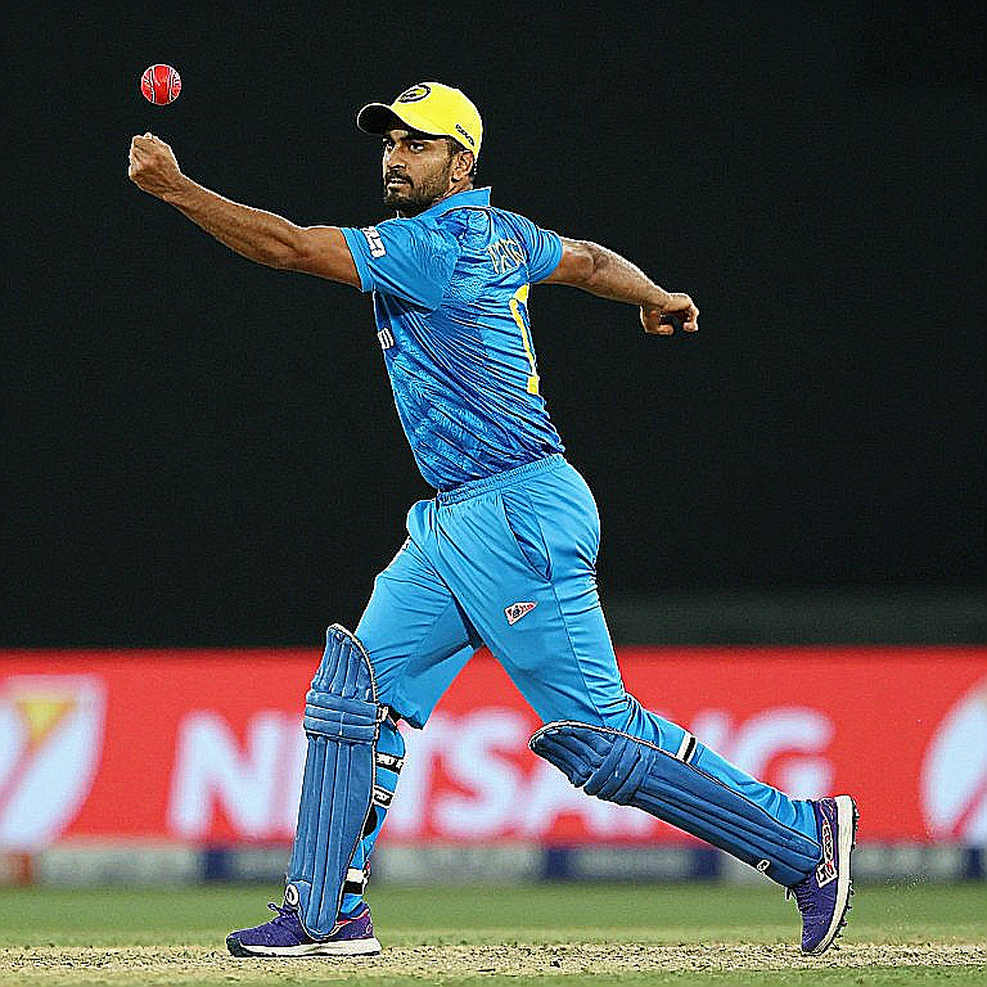
The market-size argument is unanswerable: where there are viewers there are advertisers, and where there are advertisers there is money. But the argument has a limit — it weakens competitive balance. The day a tournament's outcome can be predicted in advance is the day its product weakens too. The loudest complaint from Asia's associate members has been that development funding is shrinking while expectations of them rise. This is a debate about trust more than about numbers, which is why it runs so long.
The Pipeline: Cracks in the Foundation
Strength rests on three pillars — the domestic structure, A-team tours and the Under-19 programme. Where domestic cricket offers both volume of matches and decent pay, the pipeline runs itself; where a domestic player gets only a seasonal contract, talent oscillates between league and national duty. Within Asia the inequality is stark: some countries have a working ladder from Under-19 to the senior side, others see talent take a shortcut straight through the franchise door.
The effect on technique is direct. League cricket does not teach reverse swing, new-ball discipline or the patience of a long innings the way Test and first-class cricket do. The result is a generation that arrives with extraordinary strike rates but does not survive a three-season test. That is not one player's weakness; it is the structure's priority.
Mapping the Risk
Risk begins with the player — as workload and injury. The second layer is the boards, whose credibility depends on whether they are seen protecting player assets or merely revenue. The third is anti-corruption: the ICC's Anti-Corruption Unit needs to tighten in step with the spread of leagues, because more matches, more circulating money and more contact points arrive together.
The fourth risk is geopolitical. When a bilateral series between two neighbouring cricket nations goes into cold storage, the loss is not confined to the two boards; neutral venues, rearranged events and fewer contests make the whole regional product more expensive.
Bench Strength and Format
The true measure of an Asian side's depth is not how many stars it has but what the twelfth to sixteenth players are worth. In Tests that depth shows in rotation of the bowling attack; in T20 it shows in whether a side still scores above seven an over after losing three early wickets. Teams that invested in domestic cricket narrowed the gap; teams that bet only on their top eleven fall apart at every injury.
The Way Forward
There are three solutions, at three levels. First, a clear split of the calendar: international windows and league windows fixed first, advertising rates afterwards. Second, a transparent NOC process — a refusal should be public and time-bound, so that it does not become an instrument of pressure. Third, a defined share of revenue should be ring-fenced for development and domestic structures, because only strong domestic cricket keeps a national team strong.
Asian cricket holds something found nowhere else — a tide of spectators that turns even a domestic match into a festival. But the machinery that runs that tide needs maintenance too. If the calendar, the contracts and the revenue do not move in conversation with one another, the story of the next decade will not be one of a talent shortage, but of administrative fatigue.